
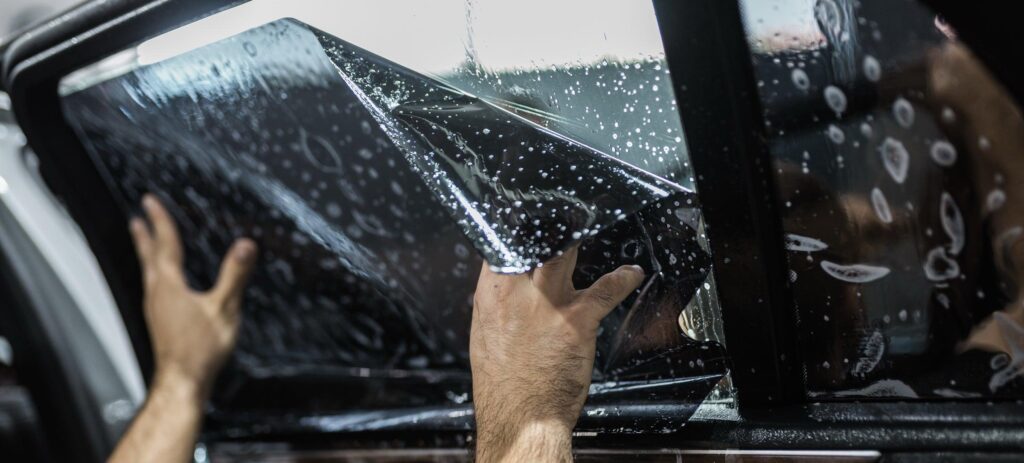
When choosing automotive window tint, many vehicle owners and professional installers face the same question: Ceramic window film or metalized window film — which one provides better performance?
Both technologies are designed to reduce heat, improve driving comfort, and protect vehicle interiors from harmful UV rays. However, their construction, performance, appearance, and compatibility with modern vehicles are very different.
With the rapid growth of electric vehicles, luxury cars, and smart automotive systems, ceramic window film has become one of the most popular choices for premium customers.
What Is Ceramic Window Film?
Ceramic window film is an advanced automotive tint technology that uses nano-ceramic particles inside the film structure.
Unlike traditional films that depend on dyes or metal layers, ceramic films use non-metallic materials to block solar energy, especially infrared heat.
The ceramic particles reduce infrared radiation while maintaining high visible light transmission, creating a comfortable driving environment without affecting electronic systems.
Key Features of Ceramic Window Film
- Excellent infrared heat rejection
- High UV protection
- No interference with GPS, Bluetooth, or mobile signals
- Natural premium appearance
- Excellent color stability
- Compatible with electric and luxury vehicles
What Is Metalized Window Film?
Metalized window film uses microscopic metal particles or metal layers to reflect solar energy away from the vehicle.
Common materials include:
- Aluminum
- Nickel
- Titanium
- Silver
The metal layer reflects sunlight and reduces heat entering the vehicle cabin.
Advantages of Metalized Window Film
- Good heat reduction performance
- More affordable than ceramic films
- Strong solar reflection ability
- Durable construction
Ceramic Film vs Metalized Film: Performance Comparison
1. Heat Rejection Performance
Both ceramic and metalized films can reduce vehicle heat, but they work differently.
Metalized films mainly reflect solar energy through metal particles.
Ceramic films block infrared radiation through advanced nano-ceramic technology.
High-quality ceramic films usually provide:
- Higher infrared rejection
- Better temperature control
- Comfortable interior conditions without using extremely dark tint
2. Signal Interference
One major difference between ceramic and metalized films is electronic compatibility.
Because metal can conduct electromagnetic waves, some metalized films may interfere with:
- GPS navigation
- Mobile phone reception
- Bluetooth systems
- Keyless entry systems
- RFID devices
Ceramic window films are completely non-metallic, making them ideal for modern vehicles including electric vehicles and smart cars.
3. Appearance and Style
Metalized films often have a reflective or shiny appearance.
While some customers prefer this style, many premium vehicle owners want a cleaner factory appearance.
Ceramic films provide:
- Deep black or natural gray appearance
- Lower reflection
- Better visibility
- Luxury vehicle appearance
4. Durability and Color Stability
Traditional dyed films may fade after long-term UV exposure.
High-quality ceramic films provide:
- Excellent UV resistance
- Stable color performance
- Long service life
- Reduced fading risk
Why Are Ceramic Window Films Becoming More Popular in the USA?
The US automotive market is changing rapidly. More customers are driving:
- Electric vehicles
- Luxury vehicles
- Performance cars
- Premium SUVs
These customers usually care about:
- Driving comfort
- Technology compatibility
- Premium appearance
- Long-term value
Because of these requirements, nano ceramic window film has become a growing trend in the automotive tint industry.
Ceramic Window Film vs Metalized Window Film: Which Should You Choose?
Choose Ceramic Window Film If You Want:
- Maximum infrared heat rejection
- No signal interference
- Premium appearance
- Installation on Tesla and luxury vehicles
- Long-term performance
Choose Metalized Window Film If You Want:
- Lower cost
- Good heat reduction
- Traditional tint performance
- Budget-friendly solutions
For Professional Window Tint Installers
For automotive tint shops, ceramic film creates stronger business opportunities.
Compared with standard films, ceramic products allow installers to offer:
- Premium packages
- Higher profit margins
- Better customer experience
- Advanced vehicle protection solutions
Many successful detailing shops combine:
Paint Protection Film + Ceramic Coating + Nano Ceramic Window Film
Conclusion
Both ceramic and metalized window films can improve driving comfort and protect vehicle interiors.
However, as automotive technology continues to evolve, ceramic window film has become the preferred choice for modern vehicles because of its:
- Superior infrared heat rejection
- Signal-friendly performance
- Premium appearance
- Long-term durability
For drivers who want the best balance between comfort, technology, and style, nano ceramic window film is the future of automotive tinting.
