
1. What Are Gel Particles in TPU Paint Protection Film?
Definition
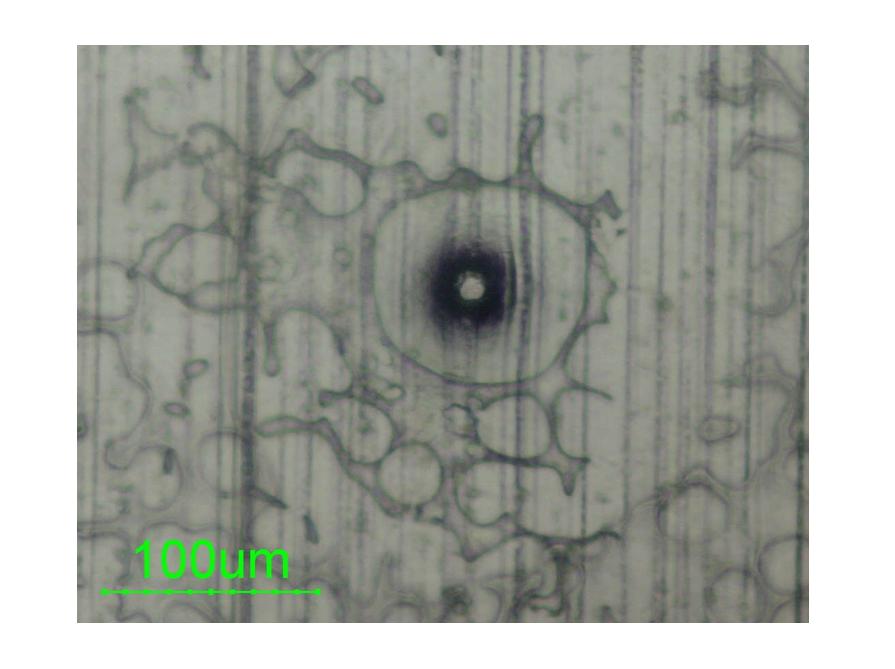
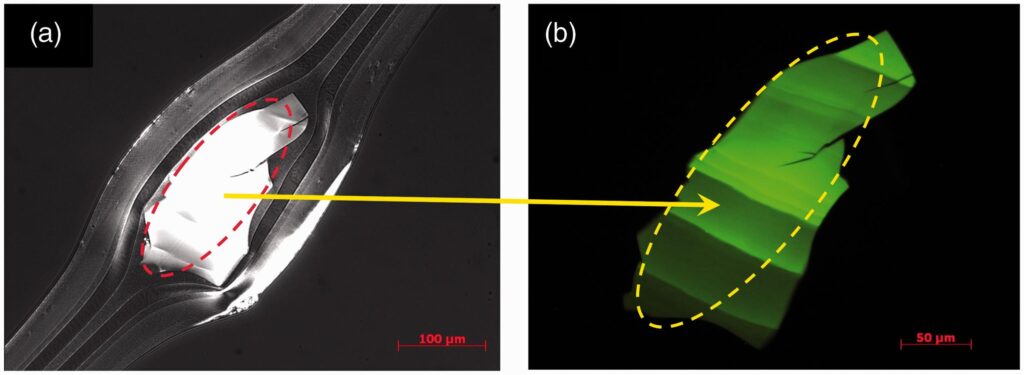
Gel particles are small areas of TPU material that were not fully melted or properly dispersed during the manufacturing process.
These defects may come from:
- TPU resin inconsistency
- Polymer degradation
- Material contamination
- Poor filtration during extrusion
How Do Gel Defects Look?
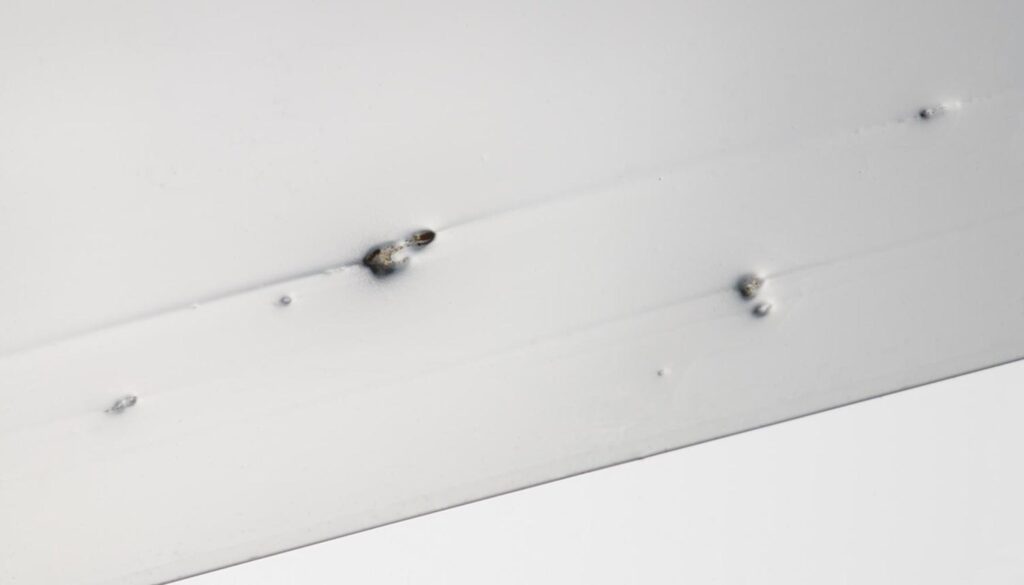
Typical characteristics of TPU gel particles include:
- Small transparent or white dots
- Random distribution across the film
- Slight raised feeling when touched
- More visible under direct sunlight or strong lighting
2. What Causes TPU Gel Defects?
Raw Material Quality
The quality of TPU raw material plays an important role in the final appearance and performance of paint protection film.
High-quality TPU requires:
- Stable resin formulation
- Proper drying process
- Consistent molecular structure
Extrusion Filtration
During TPU extrusion, the material goes through several important stages:
↓
Melting
↓
Filtration
↓
Die Extrusion
↓
Film Forming
A high-quality filtration system helps remove unwanted particles and improves film consistency.
3. What Are Surface Sink Marks in PPF?
Unlike gel particles, surface sink marks are caused by manufacturing conditions during the film-forming process.
They usually appear as:
- Small surface depressions
- Uneven light reflection
- Shadow-like spots under certain lighting conditions
4. Causes of Surface Sink Marks
Uneven Cooling
During cast film production, uneven cooling can create stress differences inside the TPU film.
↓
Cooling Roll
↓
Uneven Shrinkage
↓
Surface Depression
Extrusion Stability
Film uniformity can also be affected by:
- Melt pressure fluctuations
- Temperature control issues
- Incorrect line speed matching
5. Gel Particles vs Sink Marks: Key Differences
| Feature | Gel Particles | Sink Marks |
|---|---|---|
| Cause | Raw TPU material | Manufacturing process |
| Shape | Raised dots | Small dents |
| Location | Inside the film | Surface of the film |
| Touch | Slight bump | Usually smooth |
| Appearance | Bright spots | Shadow spots |
6. How Premium PPF Manufacturers Control These Problems
High-quality paint protection film production requires strict control throughout the entire manufacturing process.
Raw Material Control
- ✔ Premium TPU resin
- ✔ Proper drying process
- ✔ Raw material inspection
Extrusion Control
- ✔ Stable processing temperature
- ✔ Effective melt filtration
- ✔ Continuous pressure monitoring
Quality Inspection
- ✔ Optical surface inspection
- ✔ Film thickness testing
- ✔ Surface quality inspection
Conclusion
Not all PPF defects come from installation mistakes.
The quality of TPU raw materials and manufacturing processes directly affects:
- Film appearance
- Installation experience
- Long-term durability
Choosing a professional PPF manufacturer means choosing consistent quality from the inside out.
