
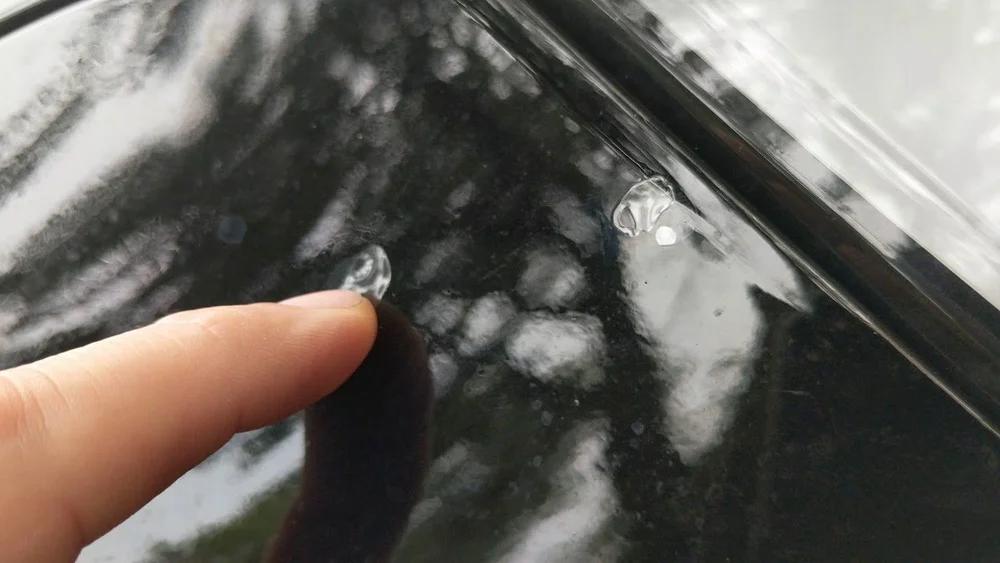
What Are PPF TPU Dots or Pitting Marks?
During or after installing TPU paint protection film (PPF), some users may notice small dot-like marks, surface pits, or uneven micro textures on the film surface.
These are commonly referred to as “TPU dots,” “pitting marks,” or “surface micro spots.”
In many cases, these are not product defects but can be caused by material structure, installation technique, or environmental conditions.
This article explains the real causes and helps you determine whether they are normal or problematic.
1. What Do TPU Pitting Marks Look Like?
TPU surface dots or pitting may appear as:
- Small dot-like irregularities on the film surface
- Slight uneven texture visible under sunlight or side lighting
- Uniform or localized distribution
- Similar to “orange peel” or micro pits
These visual effects vary depending on lighting conditions and film type.
2. Main Types of TPU Dots or Pitting Marks
1. TPU Material Texture (Normal Condition)
TPU film naturally has microscopic surface texture due to its manufacturing process.
- Even and consistent distribution
- No tactile roughness when touched
- More visible on light-colored vehicles
- Noticeable under strong light or angles
Conclusion: ✔ This is a normal material characteristic, not a defect.
2. Installation Air or Water Trapped (Temporary Issue)
During wet installation, if squeegeeing is not fully completed, tiny air or moisture pockets may remain.
- Small bubble-like dots
- Visible under side lighting
- May reduce or disappear within 3–7 days
Conclusion: ✔ Usually temporary and may self-correct.
3. Dust Contamination (Permanent Defect)
If the installation environment is not clean, dust particles may get trapped under the film.
- Black or white fixed dots
- Do not move or disappear over time
- Appear like particles sealed under the film
Conclusion: ❌ Installation defect, usually requires rework.
4. Adhesive or Coating Irregularity
Low-quality TPU or improperly stored film may develop uneven adhesive or coating distribution.
- Cloudy or patchy dot clusters
- Irregular shapes or uneven areas
- No improvement over time
Conclusion: ❌ Material or manufacturing-related issue.
3. How to Identify the Type of Pitting Quickly?
✔ Check Distribution
- Even distribution → material texture
- Random or localized → installation issue
✔ Observe Changes Over Time
- Improves in 3–7 days → air or water issue
- No change → contamination or material defect
✔ Look for Dark Spots
- Black dots → dust contamination
4. Do TPU Dots Affect Protection Performance?
In most cases, minor surface dots or texture do NOT affect:
- Scratch resistance
- Paint protection performance
- Durability of the film
However, attention should be paid to:
- Large visible black dots
- Cloudy or patchy areas
- Permanent surface irregularities
5. How to Reduce TPU Pitting Marks?
- Maintain a dust-free installation environment
- Ensure proper squeegeeing and water removal
- Avoid over-stretching the film
- Use stable, high-quality TPU materials
- Control temperature and humidity during installation
6. FAQ
Q1: Are TPU dots a defect?
Not always. Many are normal TPU surface textures or temporary installation marks.
Q2: Will the dots disappear over time?
If caused by trapped water or air, they may improve within a few days.
Q3: Can dust under the film be removed?
No. Dust contamination usually requires reinstallation.
Q4: Do these marks affect protection?
Minor texture does not affect protection performance, only visual appearance.
Conclusion
TPU paint protection film dots or pitting marks are not always defects.
They can result from material characteristics, installation techniques, or environmental conditions.
Understanding the differences helps installers avoid unnecessary rework and improves customer trust and satisfaction.
